Understanding Harmonic Podcast Audio Waves
Introduction
In today's digital landscape, the world of podcasting is booming, offering an expansive array of audio content for every taste. One critical element that often goes unnoticed by listeners is the quality of audio waves, particularly harmonic podcast audio waves. These waves are crucial in ensuring a pleasant and engaging listening experience. What are harmonic audio waves, and why are they so significant? Understanding this concept doesn't require a deep dive into technical jargon but rather an appreciation of how sound quality influences perception. In this piece, we will explore the mechanics behind harmonic audio waves and their impact on the podcasting universe.
Advertisement


Decoding Sound Waves
Sound waves are the building blocks of audio, and they move through the air as vibrations that are detected by our ears. These waves are characterized by their frequency and amplitude, determining pitch and loudness, respectively. In a podcast, the quality of sound waves plays a crucial role in maintaining clarity and engagement. Harmonic audio waves refer to those waveforms that create a harmonious and pleasing sound by having frequencies that are integer multiples of a fundamental frequency. This concept underpins the science of acoustics, which is employed to ensure a seamless listener experience.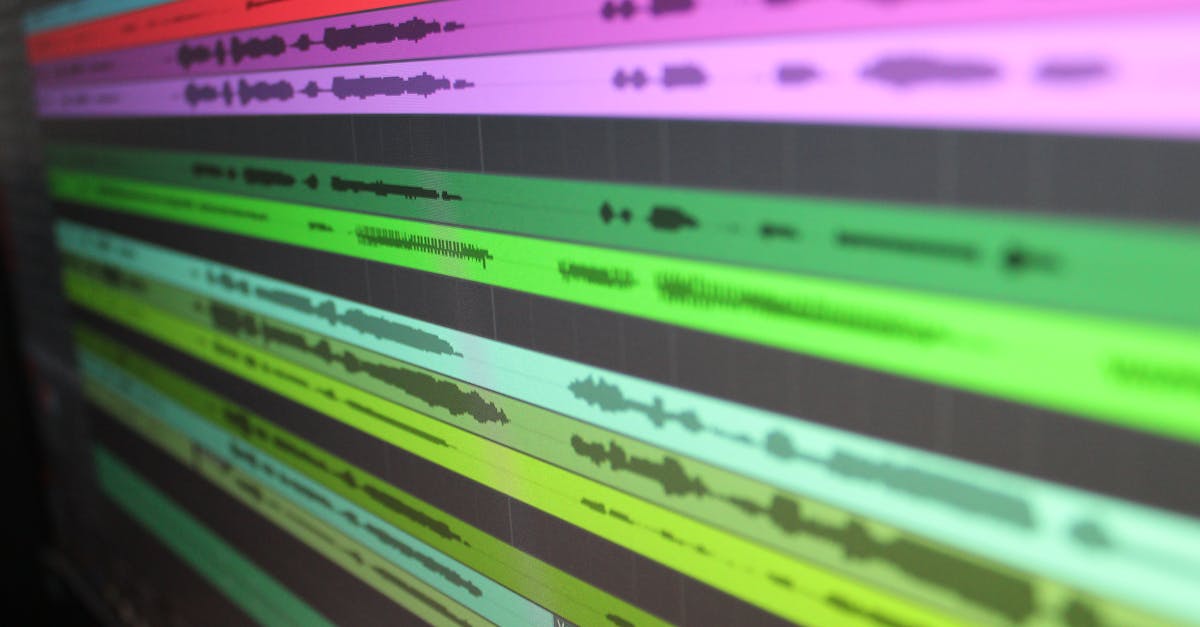
Advertisement
The Science of Harmonics
Harmonics, or overtones, add richness and depth to sound, providing an audio signature that resonates well with listeners. In simple terms, harmonics are additional frequencies that accompany the main note or speech tone. When a podcast maintains a balance between fundamental frequencies and their harmonics, the result is a coherent and aesthetically pleasing sound. They are naturally produced in musical instruments and can be reproduced electronically using audio software. The skillful integration of harmonics is integral in both music production and podcasting.
Advertisement
Audio Engineering Behind Podcasts
The task of a podcast producer is not just to capture speech but to enhance it using audio engineering techniques. Many podcasters employ digital audio workstations (DAWs) that help in refining harmonic waves. Techniques such as equalization, compression, and reverb adjustments ensure smooth transitions and even distribution of harmonics. Audio engineers manipulate frequencies to minimize disturbances like noise and echo, effectively crafting a podcast's sonic landscape. Behind every entertaining podcast is a meticulous process of sound design, affecting listener engagement and perception.
Advertisement
Importance of Harmonic Quality
A podcast with poor harmonic quality might sound flat and be difficult to listen to for extended periods. The absence of harmonic richness can lead to a monotonous experience, driving audiences away. Proper harmonic audio waves ensure the voice is natural with dynamic sound waves that are not harsh. This encourages a comfortable listening experience that holds the audience's attention. Without harmonics, even compelling content can fall short, as listeners may not be able to maintain interest if the audio is not engaging.
Advertisement
Audio Equipment and Harmonics
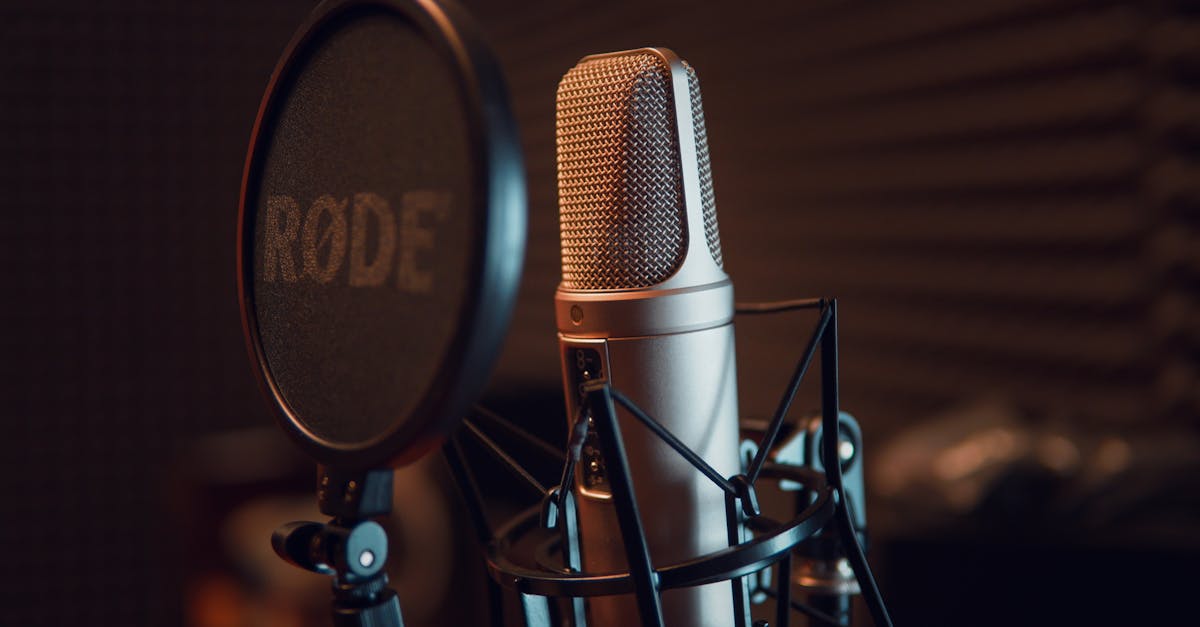
High-quality podcast equipment is indispensable for producing superior harmonic audio waves. From microphones designed to capture rich, detailed sound to mixers that allow for enhanced frequency control, the right gear shapes audio fidelity. Quality headphones and monitors ensure that sound engineers can accurately hear and adjust harmonics. Modern podcast setups often include preamps, dynamic microphones, and advanced filters. The proliferation of premium equipment amongst aspiring podcasters underscores the importance of hardware in achieving studio-like audio quality.
Advertisement
Software Solutions for Harmonics
Besides physical equipment, software solutions play a crucial role in managing harmonic waves in podcasting. Digital tools offer precise measurements and allow for intricate manipulation of audio parameters. Applications like Pro Tools, Audacity, and Adobe Audition provide features specifically tailored for enhancing harmonics. The use of spectral analysis tools allows for visual representation of soundwaves, revealing subtle harmonic details. The power of these software platforms lies in their ability to simulate a studio environment, making high-quality audio production accessible to all.
Advertisement
The Listener Experience
For listeners, harmonic-rich audio translates into a more immersive and enjoyable podcast experience. Listener fatigue, common with harsh or poorly mixed sound, is reduced. Podcasts that incorporate well-managed harmonics often succeed in emotionally engaging their audience, fostering loyal listenership. An emphasis on harmonic integration encourages storytelling, where intricate audio layers enhance the narrative. As a result, the overall listener satisfaction improves, affirming the podcast’s ability to convey its message effectively.
Advertisement
Challenges in Maintaining Harmonics
While the technological tools are available, maintaining harmonic audio waves comes with challenges. Environmental noise, fluctuating voice dynamics, and varied recording conditions can disrupt harmonic balance. Quality control is an ongoing task, requiring constant adjustments and vigilance from producers and engineers. Despite these obstacles, the rewards of achieving harmonic perfection are immense, as flawless audio quality can distinguish a podcast in a sea of content. With technological advancements, achieving and maintaining harmonic excellence is becoming increasingly attainable.
Advertisement
Conclusion
The world of harmonic podcast audio waves is as intricate as it is fascinating. As we have explored, harmonics enhance the listener experience, transforming ordinary sound into a rich and engaging audio tapestry. They play a vital role in distinguishing a high-quality podcast from the rest. Understanding and harnessing the power of harmonic waves require a combination of skill, technology, and a keen ear for detail. As digital content continues to evolve, the focus on harmonics is set to become even more prominent, promising a future filled with sonic innovations that enrich our auditory experiences.
Advertisement