Orchestrating Audible Masterpieces Explained
Understanding the Art of Orchestration
Orchestrating audible masterpieces is like painting with a vibrant palette of sound, each instrument lending its unique color to the auditory canvas. A composer embarks on a sonic adventure, carefully crafting symphonies that evoke emotions, with each note and rest appearing meticulously planned. Just as an artist selects hues, a composer chooses timbres to bring life's symphony.
Advertisement
Compositional Techniques: Old Meets New
In composing these masterpieces, various techniques come into play. Traditional methods mix with modern technology to create rich, evocative soundscapes. While a touch of Beethoven's structural finesse remains timeless, today's composers employ software that allows experimentation with harmonies and rhythms, helping orchestrate audible masterpieces that would make Mozart marvel.
Advertisement
The Maestro’s Role: Conductor as a Catalyst
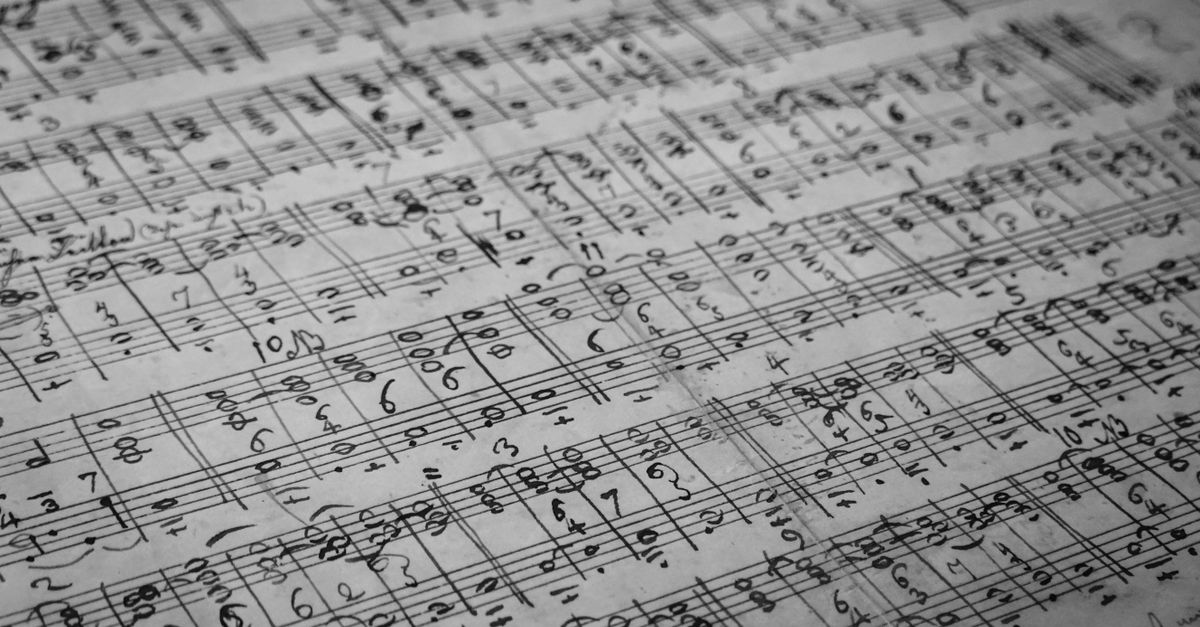
The conductor, with baton in hand, acts as the maestro who breathes life into an orchestration. They shape the music, drawing the orchestra together in a cohesive expression. Their job? To turn the printed notes into nuanced performances that capture the essence of the composition, transforming potential into an audible masterpiece that lingers long after the final note.
Advertisement
Technology’s Impact: The Digital Symphony
Technology has revolutionized the process of orchestrating audible masterpieces. Digital tools like Virtual Studio Technology (VST) and MIDI controllers enable composers to test their works virtually before live performances. These innovations not only save rehearsal time but also allow a fine-tuned understanding of how different elements blend, enhancing the melodic narrative.
Advertisement
The Role of Emotion in Music
Music, at its core, is an emotional canvas. Orchestrating audible masterpieces demands the delicate art of transforming feelings into sounds. A piece may echo sorrow, radiate joy, or whisper contemplation. Composers delve into their inner experiences, drawing notes that mirror human emotions. It's this intangible layer that resonates deeply with listeners.
Advertisement
From Stage to Studio: The Collaborative Journey
Creating musical masterpieces is inherently collaborative. Composers, conductors, musicians, and sound engineers unite, each bringing their expertise to the project. As the score evolves in rehearsal halls and recording studios, this synergy furthers the manifestation of a composition, making the orchestrating of audible masterpieces a dynamic dance of creativity and precision.
Advertisement
The Challenges of Modern Composition
Despite the allure, orchestrating audible masterpieces isn't without challenges. Balancing innovation with tradition, overcoming writer's block, and accommodating diverse audiences is no small feat. Yet, it's this constant tension that pushes composers towards new heights, striving to create compositions that resonate across cultures and generations.
Advertisement
Echoes in Eternity: The Lasting Impact of Music
Successful compositions don't merely exist; they echo through time, transcending societal and temporal boundaries. Orchestrating audible masterpieces is about creating music that endures, music that touches the heart and soul. By capturing humanity's essence audibly, these symphonies become timeless narratives, continually inspiring, comforting, and uniting audiences worldwide.
Advertisement