How Audio Habits Are Shaping Our Modern Social Life
A New Kind of Everyday Companion
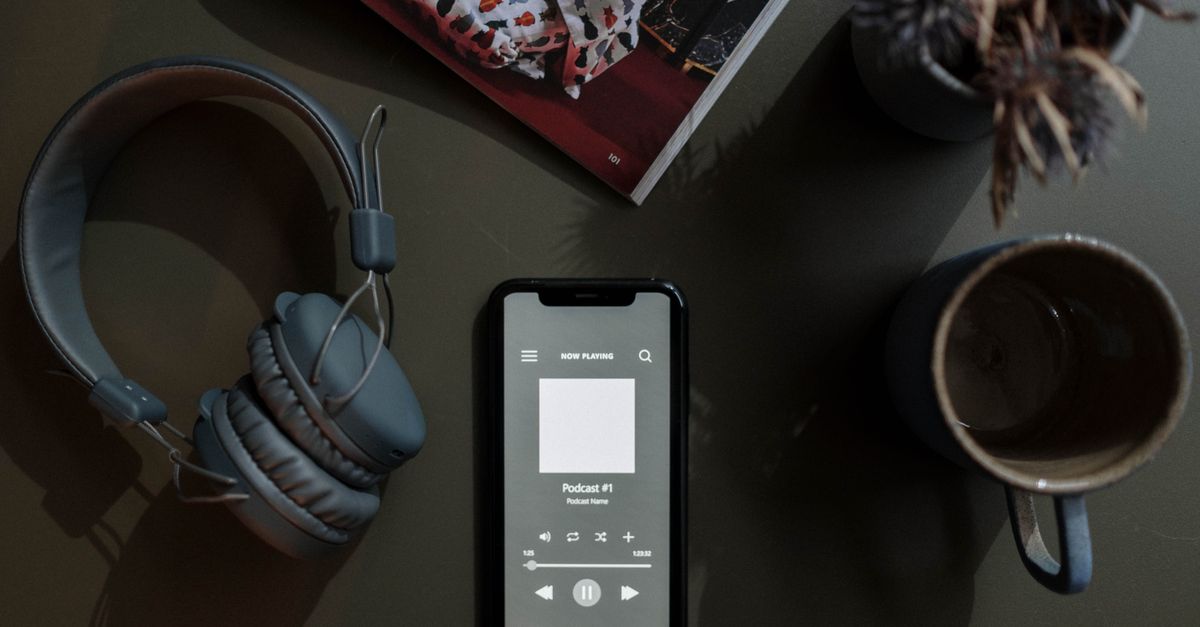
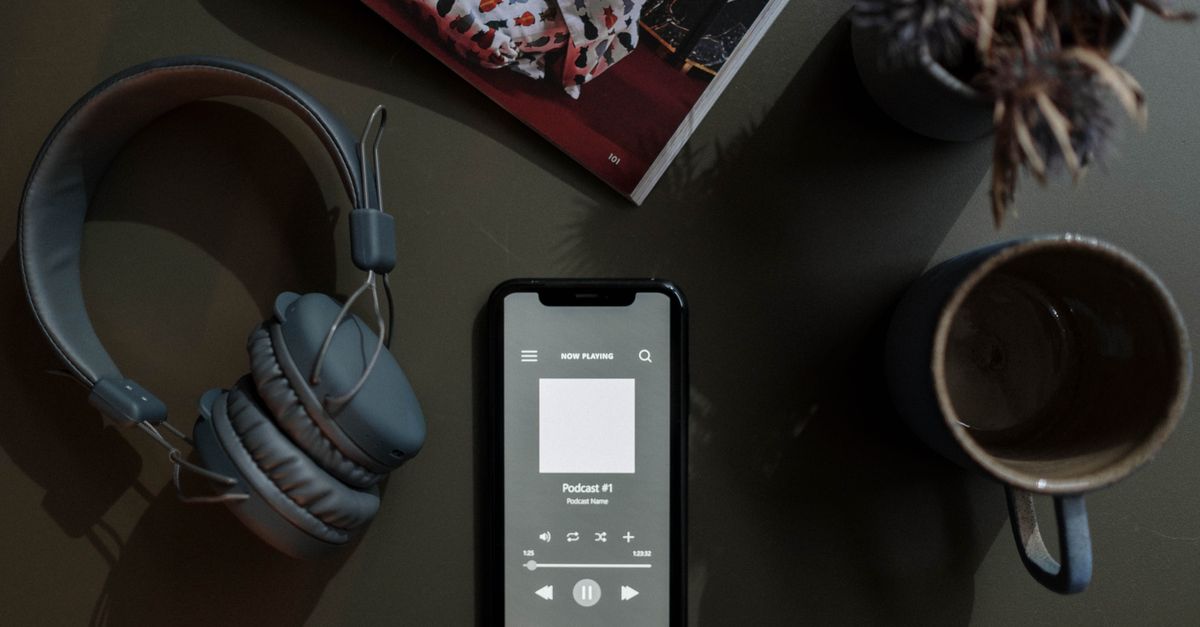
From morning commutes to midnight chores, people increasingly fill ordinary moments with spoken stories, interviews, and friendly arguments. Podcast Listening Culture is more than a preference for headphones; it reflects changing ideas about attention, community, and convenience. It turns solitary routines into shared experiences, while giving creators an intimate way to reach remarkably specific audiences.
Advertisement
From Niche Hobby to Daily Habit
Podcast Listening Culture began as a fairly specialized interest, attracting early adopters who enjoyed downloading independent programs before streaming platforms made the process effortless. Today, audio shows sit beside music, video, and social media as a routine form of entertainment. The appeal is partly practical: listeners can enjoy an episode while walking, cooking, driving, exercising, or pretending to organize a cupboard. Unlike video, spoken audio does not demand constant visual attention, which makes it unusually compatible with busy lives.
Advertisement
Why the Format Feels Personal
One reason Podcast Listening Culture has grown so quickly is the strange intimacy of the medium. A host speaks directly into a microphone, and the listener hears pauses, laughter, hesitation, and changes in tone that can make a large audience feel like a small gathering. This conversational quality creates a sense of companionship without requiring a formal social appointment. Listeners may never meet the presenter, yet familiar voices can become part of the emotional furniture of a week.
Advertisement
Communities Built Around Shared Episodes
Podcast Listening Culture also thrives because episodes give people something specific to discuss. Friends compare theories about a mystery series, colleagues debate an interview, and online communities exchange recommendations with the enthusiasm once reserved for record shops and book clubs. The episode becomes a common reference point, even when listeners live in different countries. In this way, audio can create social connection without forcing everyone to consume content at exactly the same time.
Advertisement
The Rise of Personalised Discovery
Podcast Listening Culture is shaped heavily by recommendation systems, social clips, newsletters, and word of mouth. A listener may discover a history show through a short video, a science program through a colleague, or a comedy series after hearing a memorable quote online. This discovery process rewards variety, allowing audiences to move quickly between genres and viewpoints. At the same time, algorithms can create comfortable bubbles, repeatedly offering familiar subjects while quietly hiding more adventurous choices.
Advertisement
A Platform for Many Voices
Podcast Listening Culture has lowered some traditional barriers to publishing. A small team with a clear idea, a modest recording setup, and consistent production can attract a dedicated audience without owning a studio or negotiating with a major broadcaster. This has expanded the range of accents, experiences, specialist interests, and cultural perspectives available to listeners. The result is not perfect diversity, but it is a broader and more flexible media landscape than the old gatekeepers typically provided.
Advertisement
Attention, Trust, and the Business Model
Podcast Listening Culture depends on trust, and trust has commercial value. Listeners often spend substantial time with hosts, so a carefully chosen sponsorship can feel more relevant than a loud, unrelated advertisement. Many programs combine advertising with subscriptions, memberships, live events, merchandise, or bonus episodes. Yet the relationship is delicate. Excessive promotions, undisclosed partnerships, or declining production quality can remind audiences that their friendly audio companion is also running a business.
Advertisement
The Limits of Always-Available Audio
Despite its strengths, the format is not automatically healthy, meaningful, or superior to other media. Endless queues can create the same anxious feeling as an overflowing inbox, while constant background listening may leave little room for silence or independent thought. Some programs repeat familiar opinions, simplify complicated subjects, or blur the line between entertainment and expertise. Good listening habits therefore involve selection: choosing reliable sources, taking breaks, and allowing attention to exist without a soundtrack.
Advertisement
What Comes Next
The future will likely bring more personalised recommendations, translated programming, interactive episodes, and stronger connections between audio communities and live events. Artificial intelligence may help with production and discovery, although human judgment will remain important for tone, originality, and trust. As technology changes, the central appeal should remain stable: people enjoy being informed, amused, or comforted by a voice that fits naturally into the shape of their day. Audio works best when it complements life rather than attempting to occupy every spare second.
Advertisement
Conclusion
Spoken-audio habits have become a meaningful part of modern media life, blending convenience with companionship and curiosity. They help people find communities, discover unfamiliar perspectives, and support creators who once struggled to reach a specialised audience. Their long-term value will depend on thoughtful production, responsible recommendation systems, and listeners who make room for both connection and quiet.
Advertisement