How Podcasts Fit Into the Modern Everyday Routine Now
A Habit That Travels Well
Podcast listening has moved from a niche pastime to a flexible habit woven into commutes, chores, workouts, and quiet evenings. The change is not simply about having more shows available; it reflects how people manage attention, discover ideas, and create small pockets of companionship in days that rarely sit still.
Advertisement
From Appointment to Background Companion
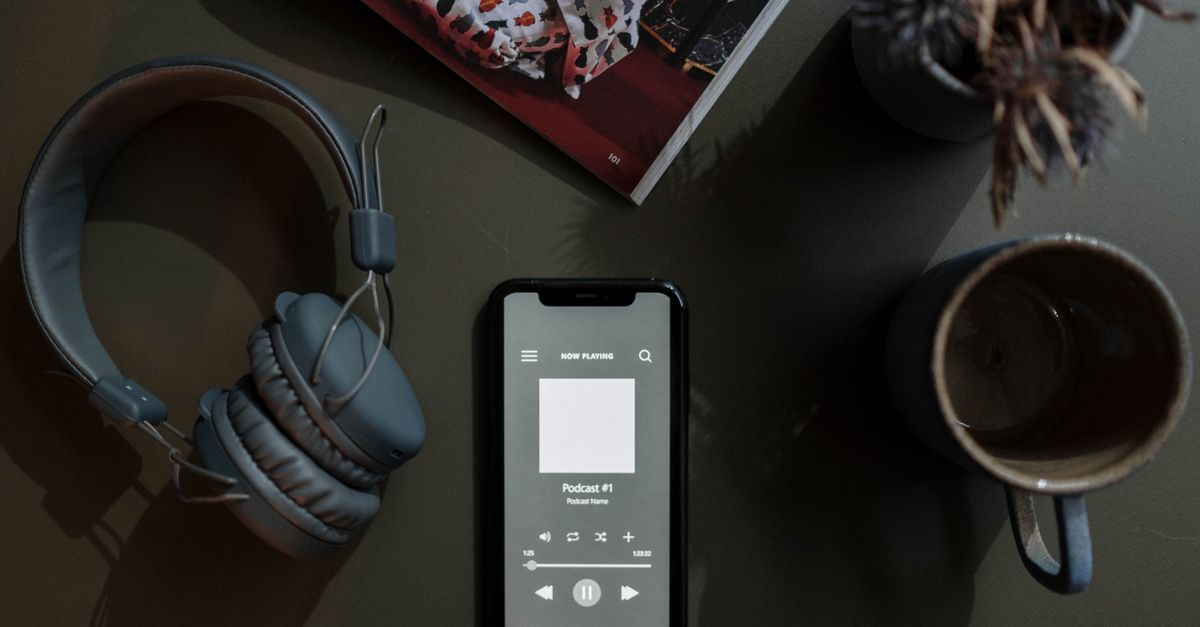
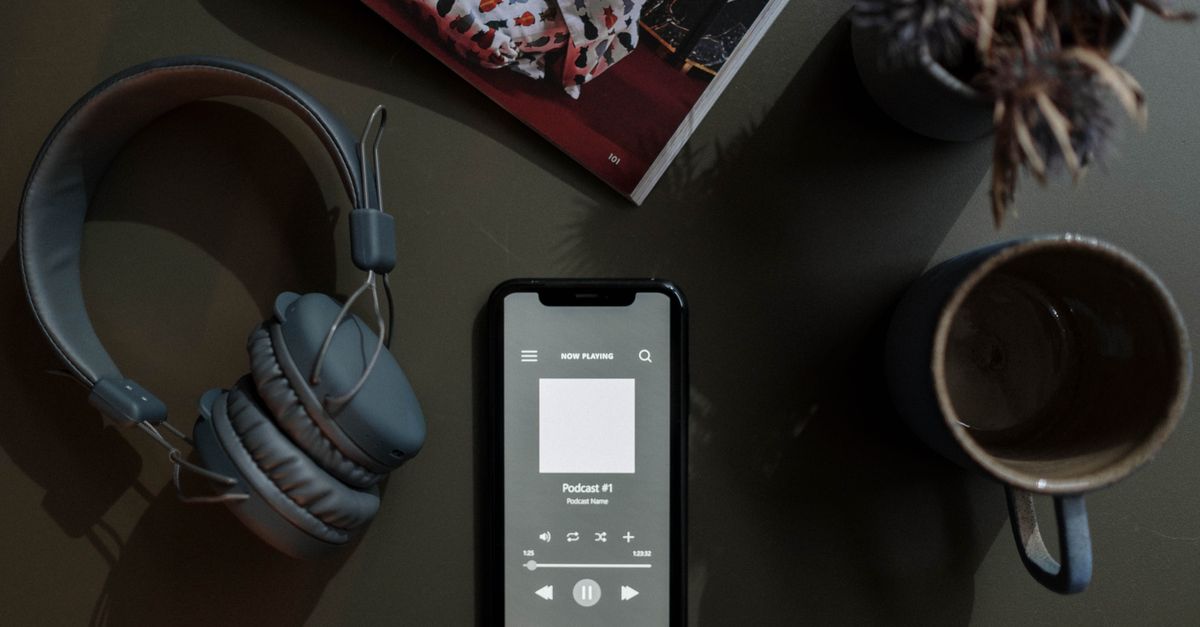
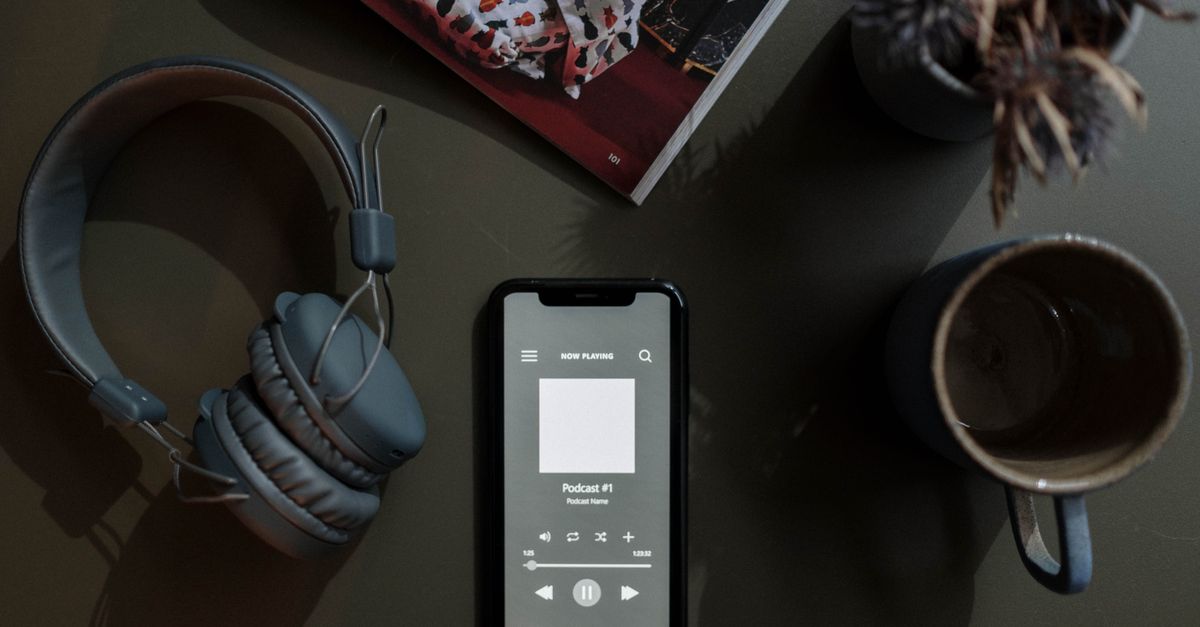
The New Routine Of Podcast Listening is less about setting aside a formal hour and more about fitting audio around existing activities. A listener may begin with a news briefing while making breakfast, switch to comedy during a train journey, and finish with a history episode while folding laundry. The habit follows the person rather than demanding a dedicated seat, screen, or uninterrupted block of time.
Advertisement
Why Audio Works So Easily
The New Routine Of Podcast Listening succeeds because audio leaves the eyes and hands available for other tasks. Unlike video, it can accompany cooking, walking, driving, gardening, or tidying without turning every spare moment into a screen-based experience. That freedom makes podcasts feel less like another digital obligation and more like a useful layer added to ordinary life.
Advertisement
The Commute Has Changed Shape
For many people, The New Routine Of Podcast Listening began with the daily commute. Trains, buses, and long car journeys provide natural listening windows, transforming travel time into opportunities for entertainment or learning. Even when commuting patterns change, the habit often survives through walks, errands, and exercise. The journey no longer needs to be long; a ten-minute trip can support a complete short episode or a satisfying part of a longer conversation.
Advertisement
Learning Without the Classroom Feel
The New Routine Of Podcast Listening has also broadened access to informal education. Experts can explain economics, science, culture, technology, and personal stories in language that feels conversational rather than textbook-heavy. Listeners choose subjects according to curiosity, not a timetable, and can pause, replay, or skip sections as needed. This creates a low-pressure form of learning, although it still rewards thoughtful source-checking when topics are complex or controversial.
Advertisement
The Rise of Personal Curation
A major feature of The New Routine Of Podcast Listening is the shift from broadcast schedules to personal libraries. Apps make it easy to subscribe to a mixture of daily updates, specialist discussions, serialized documentaries, fiction, and familiar favorites. The result resembles a custom radio station assembled by each listener. Recommendations can introduce new voices, but personal taste remains the editor-in-chief, occasionally wearing pajamas and making questionable choices.
Advertisement
Short Episodes, Long Conversations
The New Routine Of Podcast Listening accommodates remarkably different attention spans. Brief episodes can deliver a headline summary or a single practical idea before a meeting, while longer programs provide space for detailed interviews and storytelling. This range helps podcasts compete with other forms of entertainment without copying them completely. The best shows understand their natural length instead of stretching a simple point until it begs for a snack break.
Advertisement
Community Beyond the Headphones
The New Routine Of Podcast Listening may happen privately, but it often creates social connections. Friends exchange recommendations, colleagues discuss memorable interviews, and online communities debate theories, guests, and recurring jokes. Some listeners enjoy the feeling of belonging to an audience even when they never meet another fan. Hosts strengthen that bond through familiar voices and regular publishing schedules, creating a dependable presence that can feel surprisingly personal.
Advertisement
The Attention Question
Not every moment needs to be filled with sound. Constant audio can make silence feel unfamiliar and may encourage passive consumption when a listener is tired or distracted. A healthier rhythm includes deliberate choices: selecting an episode for a clear reason, lowering the volume in busy environments, and allowing occasional quiet. Podcasts are most valuable when they enrich attention rather than simply occupy every available gap.
Advertisement
What the Habit Says About Modern Life
The New Routine Of Podcast Listening reflects a broader desire for flexible media that respects complicated schedules. People want information and entertainment on demand, but they also want experiences that do not require staring at another glowing rectangle. Audio meets that preference with portability, variety, and a sense of human presence. Its staying power comes from fitting naturally into life rather than asking life to rearrange itself around the medium.
Advertisement
A Flexible Future for Audio
Podcast listening has become an adaptable part of everyday life, balancing convenience with curiosity and companionship. Its appeal comes from fitting around movement, chores, commutes, and moments of rest while offering subjects for nearly every interest. The habit works best when listeners curate it thoughtfully and leave room for silence. In that balance, audio becomes not background noise, but a meaningful part of the daily rhythm.
Advertisement